
Recombinant proteins are employed extensively in biological and medicinal research. The expression of recombinant proteins has become increasingly popular due to the development of accessible methods for commercial use. Most importantly, it has dramatically increased the number of proteins that can be studied structurally and biochemically. Because each protein is unique, purification methods and techniques must be developed for each specific protein while keeping the protein's intended application in mind.
We discuss the numerous parameters that influence protein expression systems and how to modify them to improve yields in different systems.
What Exactly is a Recombinant Protein?
Photo by Julien Tromeur on Unsplash
A recombinant protein is defined as "a customized or modified protein encoded by recombinant DNA." A plasmid encoding the desired gene in a suitable expression vector is expressed in a particular host expression system to produce the protein for scientific study, therapeutic, or diagnostic purposes.
Considerable applications of recombinant proteins include the following:
- Study of biochemical processes
- Vaccination
- Three-dimensional examination of the protein
- Applications in biotechnology and therapeutic practices
Generating recombinant proteins entails replicating the relevant gene into an expression vector under the control of an inducible promoter.
However, several variables, including proper protein folding, cell growth traits, and appropriate expression factors at the transcription and/or translational levels, are necessary for successful recombinant gene expression. There are numerous possible uses in biotechnology for recombinant protein display on the bacterial surface; however, this requires a deeper understanding of the targeting motifs typically found on carrier proteins that serve as fusion partners.
Also, choosing an expression system requires understanding the development, maintenance, and overall economic costs.
Expression Systems Used in the Production of Recombinant Proteins
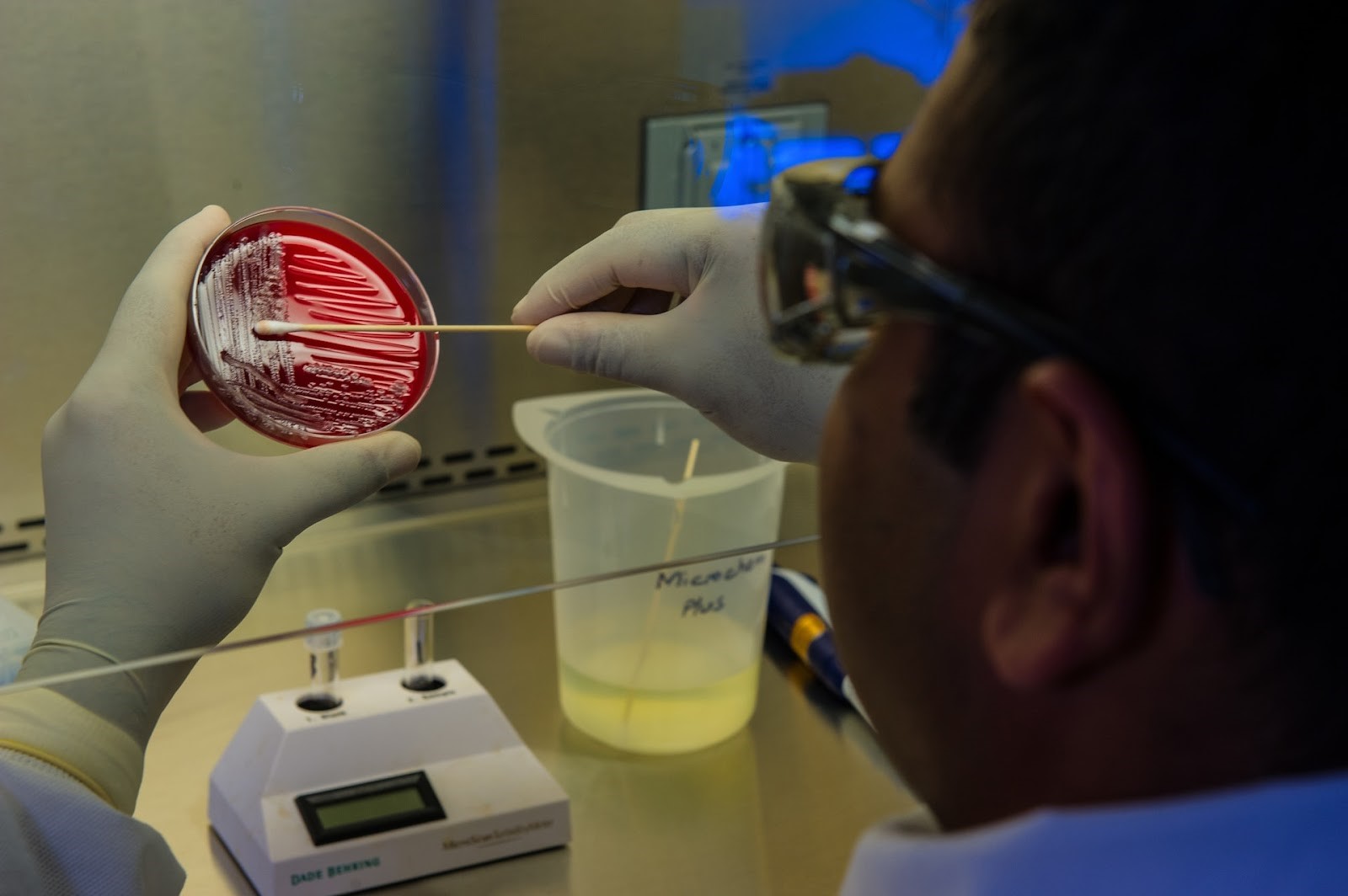
Genetic engineering has made it possible to produce valuable recombinant proteins in bacteria, yeasts, insects, mammals, and even plant cells. This biotechnology is already widely used in medicine, and by 2025, its market value is expected to reach USD 400 billion.
Because every type of host cell is unique, it's not uncommon for different protein expression methods to produce recombinant proteins with varying biological activity and stability levels. Glycoproteins comprise over fifty percent of human proteins and about a quarter of industrial recombinant pharmaceutical proteins. To maximize the value of these recombinant proteins, eukaryotic cells are usually needed as hosts for glycosylation.
While most commercial biosimilars are manufactured using Chinese hamster ovary (CHO) cells, the expression of therapeutic recombinant proteins is constrained by feedback inhibition in animal host cells. Furthermore, high manufacturing costs due to expensive sera or growth factors, and biosafety issues caused by common animal infections have prompted scientists to pursue non-animal-derived eukaryotic cell expression methods. Due to their favorable characteristics, including low manufacturing cost, high biosafety, and protein post-modification features, plant cells are preferred for synthesizing pharmaceutical recombinant proteins.
Plant cell expression systems have gained international interest due to the effective expression of numerous biopharmaceutical proteins, such as therapeutic proteins, antigens, and antibodies, currently undergoing clinical studies. Yet, the bacterial expression system remains the leading system commercially.
In our labs at Biomatik, we work with the well-known E. coli system. To generate high yields of recombinant proteins, we consistently apply protein expression enhancement techniques.
Bacteria Expression System (BES)
When it comes to producing recombinant proteins, the bacterium Escherichia coli is among the most common hosts. While the majority of recombinant proteins are created in the cytoplasm of E. coli, disulfide-bonded recombinant proteins are frequently synthesized in the periplasm.
An oxidizing environment and the resident disulfide bond formation (Dsb) system can be leveraged to enhance the appropriate disulfide bonding by directing these proteins to the periplasm. Using the periplasm for recombinant proteins with disulfide bonds is better, but the targeting problems of crossing the cytoplasmic barrier can significantly reduce periplasmic yields.
Let's look at the factors and conditions involved in protein expression optimization in bacterial protein systems.
Effects of Protein Sequence and Gene on Solubility and Expression
A prevalent factor contributing to the non-expression of heterologous proteins is the existence of "rare" codons within the mRNA of interest. It is possible to circumvent this codon anomaly through codon-enhanced gene synthesis. One benefit of gene synthesis is that it allows researchers to change the gene's codon bias to work better with the expression host.
Expression batches boosted with uncommon tRNAs can surmount the codon anomaly inherent in the recombinant gene in E. coli.
Both expression yield and solubility can be influenced by the residues at the beginning and end of the target domain. By analyzing the protein's structure and functions, we can find the best places to design the protein domains. By fitting the sequence of the protein of interest onto a homologous protein structure, it is possible to ascertain the suitable domain borders for a protein whose domain structure is unknown. If you don't have access to a homologous protein complex, you should use the prediction of secondary structural elements.
Effect of Vector on Solubility and Expression
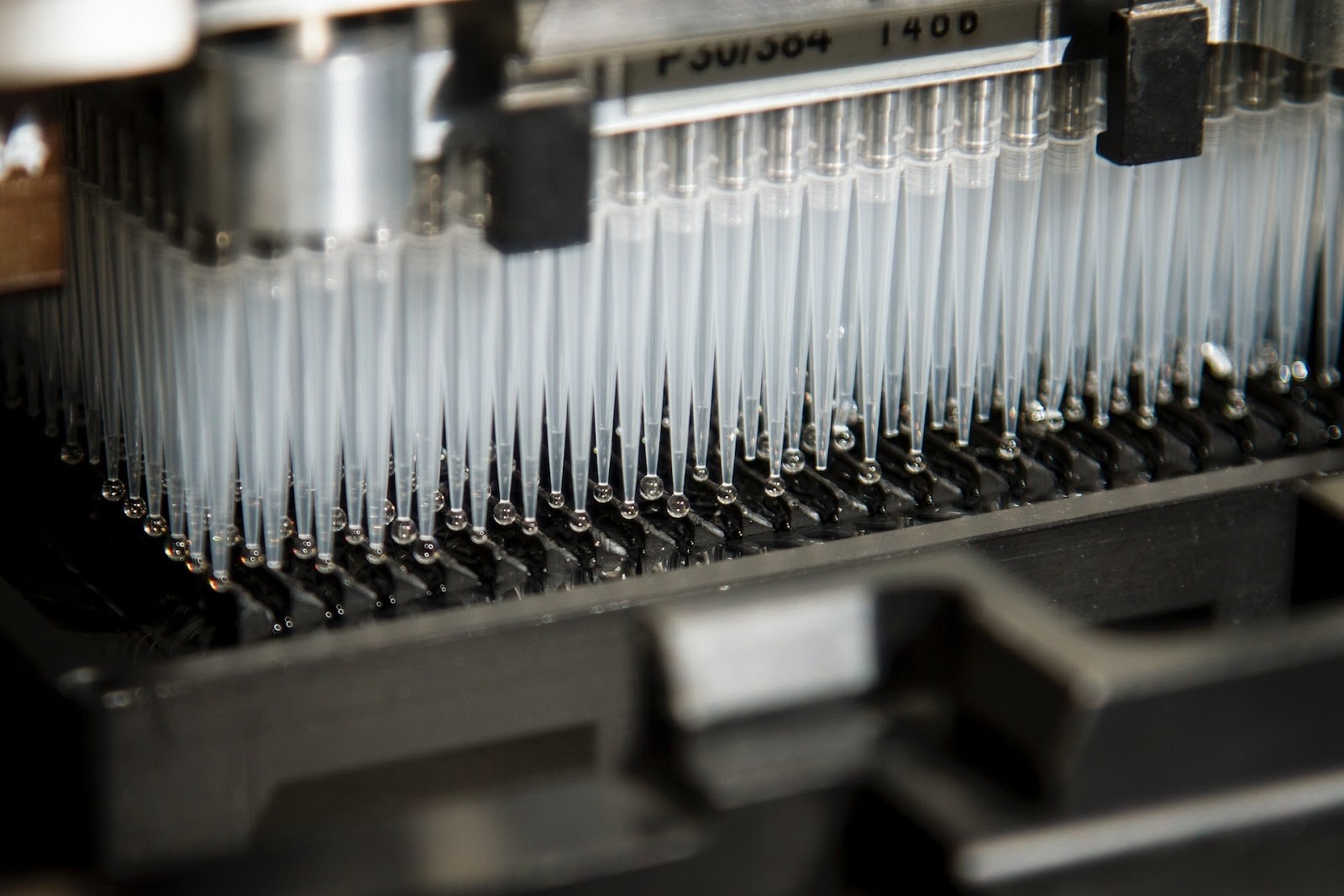
Photo by National Cancer Institute on Unsplash
Certain parts of the DNA sequence, like the Shine-Dalgarno box, promoters, regulatory sequences, transcriptional terminators, sources of replication, and more, control the translation and transcription of the desired gene. Furthermore, selection markers are incorporated into expression vectors to facilitate plasmid selection within the target cell. Including a fusion tag is another essential part of the E. coli expression vector.
The downstream application and protein target type should be taken into account when choosing a promoter framework. When working with potentially harmful proteins, it's wise to select promoter systems with weak levels of basal expression. On the other hand, a more potent promoter must be chosen for the highest possible protein yield enhancement. One option to consider for proteins prone to aggregation is using a cold-shock promoter, allowing expression to occur at cooler temperatures.
Proteins from bacteria and other organisms often misfold or aggregate. In E. coli, folding catalysts and protein chaperones can be employed to prevent proteins from sticking together while assisting folding. Two proteins, one encoded on the target plasmid and the other on an independent plasmid, could be co-expressed.
Fusion tags are attached, at the genetic level, to specific proteins, making them more soluble or easier to detect and purify. You usually need to try a few different ones to know which fusion tag produces the most soluble proteins. Additionally, the positioning of the tag, which can be positioned at the C-terminus or N-terminus of the protein of interest, is of utmost importance. The majority of fusions involve the N-terminus, and there's an advantage to this type of fusion: it usually improves the expression of soluble protein compared to its C-terminal counterparts.
Considering that the presence of a fusion tag may hinder the biological function of the recombinantly synthesized protein, it could prove useful to enzymatically eliminate the tag following the purification of the fusion protein. To facilitate the removal of the tag, it is advised to incorporate a cleavage site for a protease unique to a given sequence.
Effect of Host Stocks on Heterologous Protein Expression
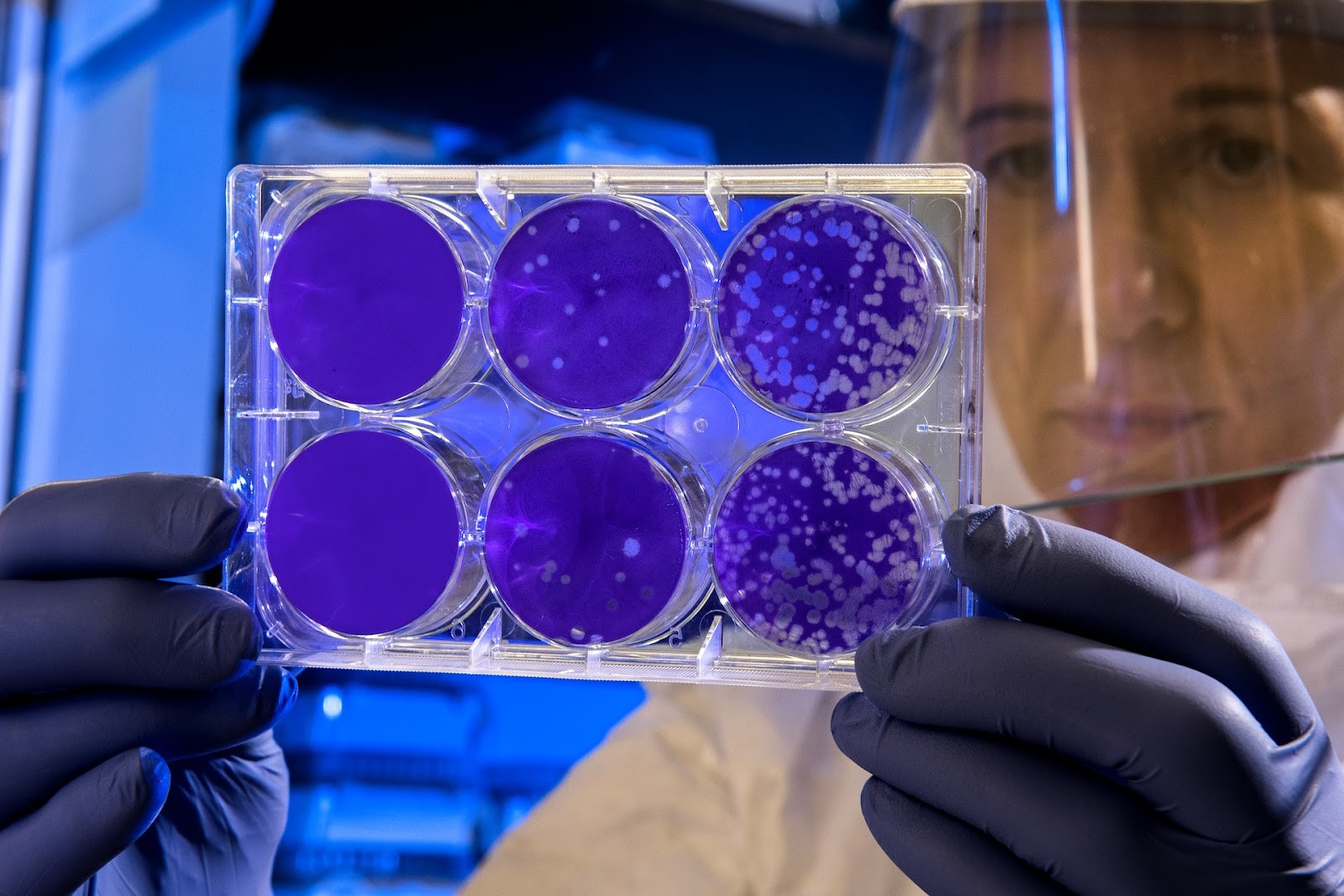
The development of bacterial host variants can facilitate heterologous protein synthesis. Some E. coli variants sold commercially are engineered to produce proteins with particular characteristics, such as those that are sensitive to proteolysis, have unusual codons, or need disulfide bonds.
Protease-deficient variants, like the E. coli BL21 or other variants of this strain, are recommended for proteins vulnerable to proteolytic degradation. Amino acid misincorporation, premature termination of translation, and translational stalling can occur when the codon frequency of the target gene and the expression host are different. If the unusual tRNAs are supplied during expression, this disparity can be resolved. An enhanced output of genes containing high frequencies of unique codons can be improved using bacterial strains with plasmids that encode rare tRNAs.
Improving the solubility of folded proteins containing disulfide bonds and aiding in the production of cytosolic disulfide bonds can be achieved through expression in host strains that include glutathione reductase (gor) and thioredoxin reductase (trxB). E. coli periplasm is highly oxidative and favors the production of disulfide bonds; targeting the produced protein to this environment provides an alternate technique for expressing proteins containing disulfide.
Increasing Protein Solubility via Regulating Expression
Protein aggregation before folding can occur when strong promoters are combined with high concentrations of inducers. The freshly generated protein will have more time to fold before aggregating if the transcription and translation rates are reduced. To improve protein solubility, you can adjust the following typical aspects of expression.
Temperature: Recombinantly produced proteins will be more soluble if the temperature during expression is lowered to 15-25°C. Reduced protein aggregation, translation, transcription, and cell division rates result from slowing down cellular processes at lower temperatures. Proteins vulnerable to proteolysis have their breakdown slowed when the temperature is reduced during expression.
The potency of the initiator: The solubility and activity of recombinant proteins can be enhanced by reducing the transcription rate, which is achieved by lowering the concentration of the induction agent.
Medium of choice: Most recombinant protein production cells are cultured via batch culture. Incorporating all necessary nutrients into the growth medium at the outset is essential.
Optimizing the Purification of Proteins
- Immobilized metal affinity chromatography (IMAC) should be used as the first stage in the purification process.
- Utilize gel filtration or size-exclusion chromatography when further purification is required. When necessary, ion exchange chromatography should be used as the last step toward "purification."
- It is possible to delete the affinity tag to achieve additional purification and reduce the number of non-original sequences present within the recombinant protein.
Developing the Best Expression System Possible for E. coli
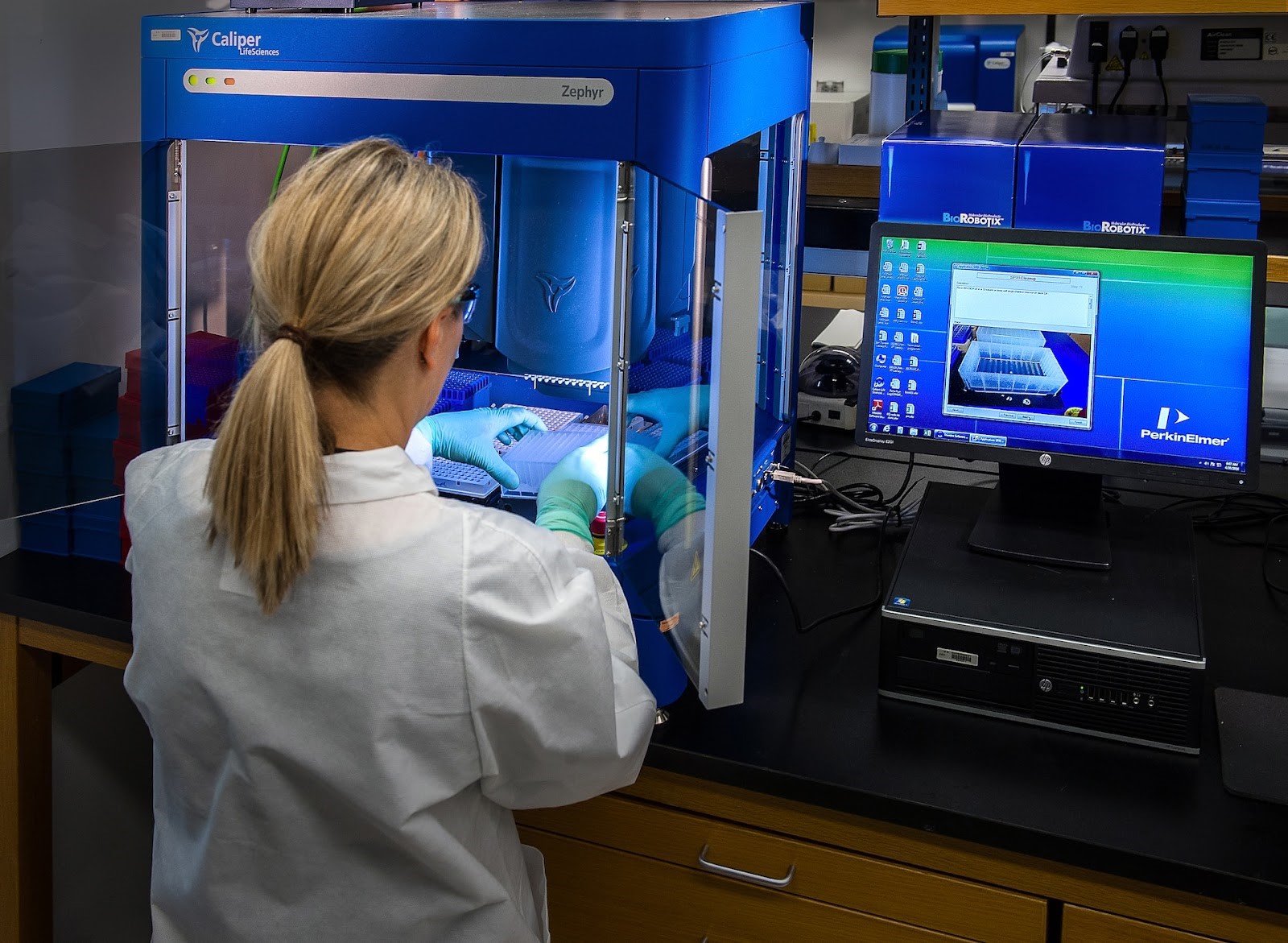
In light of the scientific community's current knowledge, it's safe to suggest developing an expression system that is ideal for E. coli. It should consist of DNA components that facilitate effective transcription, stabilize the transcript, enable robust translation, yield genuine recombinant proteins free from truncated or extended contaminant variants, maintain solubility, and constitute approximately 20% of the overall cellular protein.
This type of expression incorporates the consensus promoter acknowledged by the housekeeping promoter σ70, and it can undergo additional improvement with the incorporation of a UP element. The induction of readthrough transcription into adjacent genes is impeded by the tandem arrangement of two robust transcriptional terminators devoid of any factor.
Inverted repeats found at both ends of the transcript stabilize the transcript itself. These repeats can create stem-loop structures, which hinder endonuclease activity at the 5' end and exonucleolytic degradation from the 3' end, but they do not inhibit translation. Finally, a resilient Shine-Dalgarno sequence, an AUG start codon 8bp downstream, and the extended UAAU stop codon ensure effective translation. Folding chaperones are expressed simultaneously with the new polypeptide chains to help them fold.
However, it is necessary to point out that no single expression method is ideal for all recombinant proteins. Each protein presents its unique set of challenges. To achieve a high degree of synthesis, optimizing the process in every instance by systematically adjusting the various parameters is necessary.
Conclusion
Scientists employ many strategies to regulate the expression of proteins for biotechnological, medicinal, and experimental purposes. Unlike DNA, which is relatively straightforward to make, proteins can only be made from complex cellular systems or living tissues. Efforts to produce a recombinant protein via a specific expression system may rapidly go from a satisfying and relatively quick operation to a stressful and time-consuming process. With the steps above, researchers and scientists can overcome these hurdles using recombinant protein expression services.
Biomatik offers an extensive catalog of proteins for different clients with over 12 years of recombinant protein expression in E. coli. Other services you can trust with Biomatik include polyclonal antibody production, peptide synthesis, antibody sequencing, and gene synthesis. Contact us through email if you need further information about our services or have any inquiries.